Physical Address
304 North Cardinal St.
Dorchester Center, MA 02124
Physical Address
304 North Cardinal St.
Dorchester Center, MA 02124
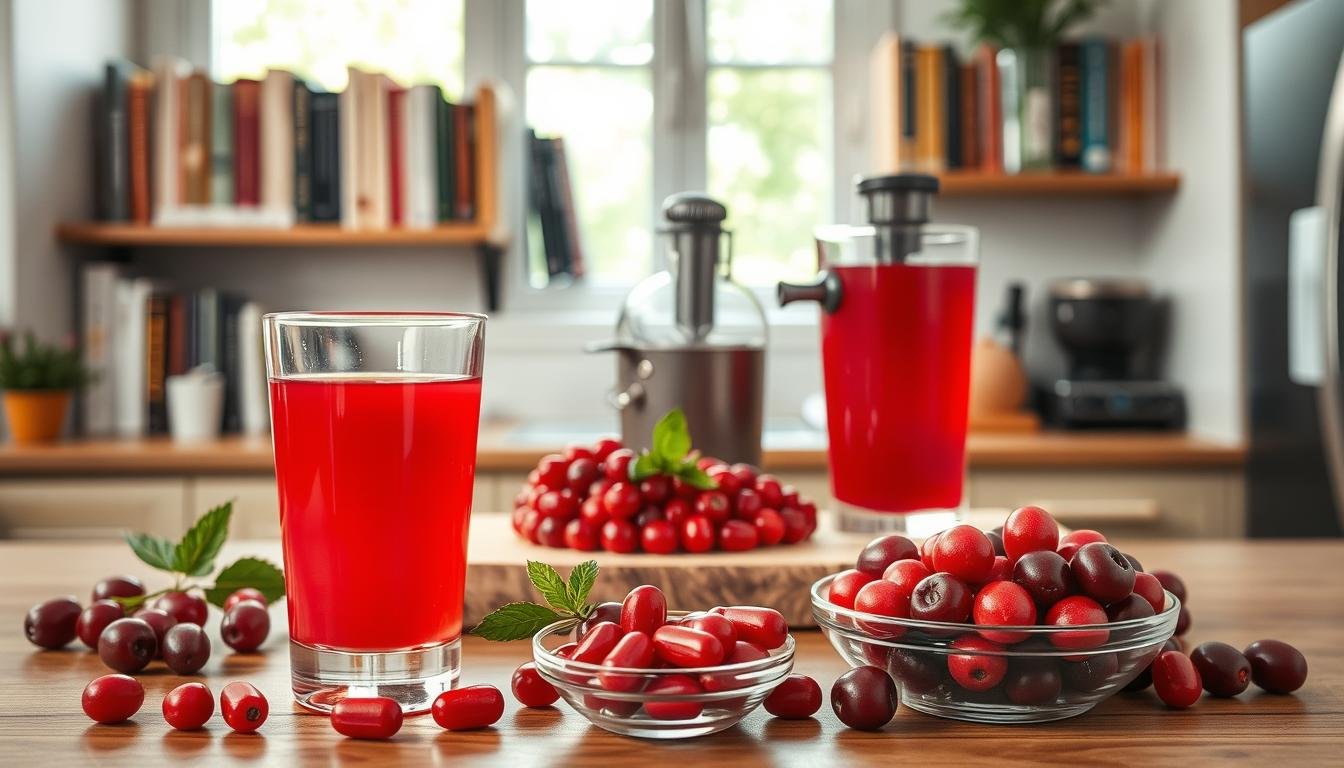
If you’re one of the more than half of American women who will get a urinary tract infection, you might have heard about cranberries. Your grandma might have told you to drink juice when you feel sick. But does this old advice really work today?
With antibiotic resistance getting worse, many people are looking for natural alternatives to stop infections from coming back. The good news is that research backs up using berries to prevent infections. Studies show these natural compounds can reduce infection rates by 54% compared to not treating them at all.
Now, let’s talk about the difference between cranberry juice and extract. Both have good stuff, but they have different amounts. Modern juice might not have enough to protect you like supplements do. In fact, capsules have been shown to lower risk by 50% in women who have surgery.
This guide will show you which one works best based on medical studies. You’ll learn how to pick the right one for you, based on your lifestyle and health.

Urinary tract infections (UTIs) affect millions of Americans each year. Many people don’t know what causes these infections. Before looking into cranberry for urinary tract infections, it’s important to understand how UTIs start in your body. This knowledge helps you make better choices for prevention and know when to see a doctor.
Learning about UTIs helps you take charge of your urinary health. Whether it’s your first infection or you’re dealing with recurring problems, knowing the basics is key. It makes UTI treatment and prevention more effective.
A UTI can affect any part of your urinary system. This includes your kidneys, bladder, or urethra—the tube that carries urine out. Most infections happen in your lower urinary tract, like your bladder and urethra.
More than 3 million Americans get a UTI every year. Women make up the majority of these cases. Women have shorter urethras than men, making it easier for bacteria to reach the bladder.

The most common UTI is bacterial cystitis, which affects your bladder. When bacteria invade and multiply in your bladder, they cause inflammation and discomfort. Knowing how this happens shows why prevention is so important.
Bacterial cystitis happens when bacteria like E. coli move from your rectum, genital area, or vagina into your urethra. Once in your urethra, they can move up into your bladder and cause infection. This journey is easier than you might think.
Several factors can increase your risk of getting a UTI:
Your shorter urethra as a woman makes it easier for bacteria to travel. This explains why about 20-30% of women get recurring UTIs. If you’re in this group, prevention is crucial for your health.
Knowing the symptoms of a UTI helps you act fast. Early action means you can treat the infection before it worsens. The most common signs include needing to urinate often, even when your bladder feels almost empty.
You might also notice:
Most UTIs cause discomfort but aren’t dangerous if treated quickly. But, infections can occasionally progress to your kidneys, leading to serious problems. Watch for fever, chills, and lower back pain—these signs mean the infection has spread.
If you notice any of these warning signs, don’t ignore them. While natural options like cranberry for urinary tract infections can help, some situations need medical attention. Knowing when to seek help is as important as knowing how to prevent UTIs.
The link between cranberry for UTI prevention is backed by science. It shows how certain compounds fight bacteria. Knowing how cranberries work can help you use them wisely to prevent UTIs.
The science behind cranberries shows both good and bad sides. It’s important to understand these points when considering them for UTI prevention.

Cranberries have special compounds called A-type proanthocyanidins (PACs). These PACs act like a non-stick coating in your urinary tract. They prevent harmful bacteria from sticking and causing infections.
The main cause of UTIs is E. coli bacteria, found in about 80% of infections. Cranberry PACs stop bacteria from attaching to your bladder cells. This means bacteria get washed out instead of causing infection.
Studies show cranberries can lower UTI risk by 26% for women with a history of UTIs. While it’s not a complete shield, it’s a significant reduction. The benefit is more for those with recurring UTIs than first-time cases.
But, there’s a catch. You need a very high concentration of cranberry compounds to work. This concentration challenge is key when choosing cranberry products, as we’ll see later.
Cranberries are packed with nutrients that help your urinary tract. Each nutrient plays a role in fighting off harmful bacteria and boosting overall health.
Vitamin C is crucial for urinary health. It makes your urine more acidic, which bacteria struggle to survive in. This acidity slows bacterial growth and helps PACs work better.
Cranberries also have flavonoids and antioxidants that fight inflammation and oxidative stress. These compounds protect your bladder and urethra from damage. They also help reduce irritation and aid in healing.
| Nutrient | Role in UTI Prevention | Additional Benefits |
|---|---|---|
| A-type PACs | Prevent bacterial adhesion to bladder walls | Powerful antioxidant protection |
| Vitamin C | Acidifies urine to inhibit bacterial growth | Boosts immune system function |
| Quercetin | Reduces inflammation in urinary tract | Supports cardiovascular health |
| Anthocyanins | Provide antioxidant defense against cell damage | Promotes brain and heart health |
The challenge is getting enough of these nutrients to your urinary tract. Fresh cranberries have all these nutrients. But, how do different products—like juice or extract—deliver them effectively?
Understanding how cranberries work for UTI prevention is key. The science supports their use, but not all products are equal. The type and concentration of active ingredients matter a lot for benefits.
Your local grocery store has both cranberry juice and extract supplements. But they offer different levels of active ingredients. Knowing the difference helps you pick the best for UTI prevention.
When comparing cranberry juice benefits to cranberry extract, you’ll see big differences. Both come from the same berry, but processing changes their benefits and limits. Let’s look at what each offers.

Cranberry extract capsules have the same amount of PACs as 8 ounces of juice. This high concentration is key for urinary tract protection. You’d need to drink a lot of juice to get the same amount.
Store-bought cranberry juice is mostly water, sugar, and other juices. It’s diluted to make it taste better. This dilution lowers the good compounds.
This dilution greatly reduces the good compounds. Here’s what you need to know:
| Factor | Cranberry Extract | Cranberry Juice Cocktail | Pure Cranberry Juice |
|---|---|---|---|
| PAC Concentration | 36-72mg per capsule | 3-5mg per 8oz | 15-20mg per 8oz |
| Calories per Serving | 5-10 calories | 110-140 calories | 115 calories |
| Sugar Content | 0-1g | 25-30g | 30g (natural) |
| Daily Servings Needed | 1-2 capsules | 64oz or more | 32-48oz |
Cranberry juice cocktails have a lot of sugar. Drinking enough to get the needed PACs means eating hundreds of extra calories. Cranberry extract avoids this by focusing on the active ingredients.
Some juices have vitamin C and antioxidants that capsules lack. But the big difference in PACs usually outweighs these benefits. You can get vitamin C from other foods without the sugar.
Studies show both forms can prevent UTIs. A study found cranberry juice lowered UTI rates by 54% compared to no treatment. It also showed a 27% lower rate than placebo liquid.
Cranberry juice also reduces antibiotic use. Studies showed a 49% lower rate of antibiotic use compared to placebo and a 59% lower rate than no treatment. This is good because it helps prevent antibiotic resistance.
But there’s a key detail. Research on cranberry capsules showed they lowered UTI risk by 50%. The difference is in concentration and delivery of active ingredients.
Dr. Timothy Boone from Texas A&M says store-bought cranberry juice won’t treat UTIs or bladder infections. The concentration of active ingredients is too low by the time it reaches your bladder. Processing, dilution, and metabolism reduce PAC levels a lot.
Cranberry extract keeps beneficial compounds at therapeutic levels. The concentrated form protects PACs from breakdown during digestion. This means more active ingredients reach your urinary tract to prevent bacteria attachment.
When you drink commercial cranberry juice, PACs get diluted. Most of the active compounds break down before reaching your bladder at effective levels. This is why you’d need to drink a lot to match the effectiveness of supplements.
The research shows concentration matters more than volume. One or two capsules deliver more protective PACs than several glasses of store-bought cranberry juice. If you’re serious about UTI prevention, this difference should guide your choice.
Both options show promise in studies, but extracts are more practical. They offer consistent dosing, measurable PAC content, and no added sugars or calories. The cranberry juice benefits in research often come from pure, unsweetened juice, unlike what you find in stores.
Choosing cranberry juice for UTI prevention offers more than just the active compounds. While extracts may have more of these substances, juice has unique benefits. These cranberry juice benefits help you decide which form is best for your needs.

Studies show cranberry juice helps prevent urinary tract infections. It’s more effective than other forms because of its liquid state. This liquid form protects your urinary system from bacteria.
Drinking cranberry juice boosts your fluid intake. This helps flush bacteria from your urinary tract. It also has anti-adhesion properties to fight infections.
More liquids can lower UTI rates. Adding cranberry compounds to your liquids improves these results. This creates a strong defense for your urinary health.
Drinking cranberry juice keeps your body clean all day. It delivers beneficial compounds and physically removes bacteria. This makes juice a great choice for urinary health.
It’s easier to stick with a health routine if you enjoy it. Cranberry juice tastes good, making it easy to drink every day. Unlike capsules, juice is a refreshing part of your day.
Many brands offer cranberry juice blends with great taste. These blends have less sugar and come in flavors like apple and grape. You can add them to your breakfast or drink them all day.
Enjoying cranberry juice makes prevention easier. If you like the taste, you’ll drink it regularly. This consistency is key to keeping your urinary health on track.
Cranberry extract supplements have changed the game for women fighting UTIs. They pack a punch that juice can’t match. Knowing the perks of cranberry supplements helps you choose wisely for your urinary health.
Supplements offer two big pluses over juice. First, they have remarkably concentrated active compounds in each dose. Second, they’re super easy to keep up with, thanks to their convenience.

Cranberry pills stand out because of their high proanthocyanidins (PACs) levels. One capsule is as strong as two 8-ounce servings of juice. This high concentration is key for real prevention.
Studies show that to stop bacteria from sticking, you need a lot of cranberry’s active compounds. But, most juices don’t have enough. They’re missing the crucial stuff your body needs.
Research shows that cranberry capsules can cut UTI risk by 50%. This big drop in risk shows how effective the right concentration is.
Standardized extracts mean you get the same PACs in every capsule. Unlike juice, where amounts vary, supplements are reliable. You know exactly what you’re getting every time.
Many modern formulas add extra ingredients for better results:
These cranberry supplements offer multiple ways to protect you in one pill. The mix of ingredients might work better than cranberry alone.
Supplements are not just about concentration. They’re also super easy to use. Just take one or two capsules a day with water, usually with a meal. That’s it for your prevention routine.
The portability of cranberry pills makes them easy to carry. You can put them in your purse, gym bag, or travel kit. This means you can keep up with your prevention routine anywhere.
Think about these practical benefits that matter in your daily life:
For anyone watching their calorie intake or managing diabetes, supplements are a guilt-free solution. They offer all the benefits without the calories or sugar found in juice.
The ease of use can make all the difference. Busy people, parents, and anyone with a hectic schedule find it easier to remember a pill than to drink juice all day.
Supplements also protect your teeth better than juice. Drinking acidic juice can harm your tooth enamel over time. Capsules avoid your teeth, keeping them safe while still giving you the benefits.
The simplicity of cranberry supplements removes excuses and obstacles. When it’s this easy, you’re more likely to stick with it. Consistency is what makes any prevention strategy work.
Turning cranberries into a UTI prevention habit is easy. Find ways that fit your lifestyle. You can enjoy them as supplements or in juice form.
Consistency is key for urinary health. Aim for a daily routine with cranberry products. This way, you can enjoy them in many ways.
Knowing the right amount of cranberries is important. Studies show that two cranberry capsules twice daily for six weeks after surgery are effective. This is about 32 ounces of juice.
You don’t need to drink all that liquid if you take supplements. Look for products with 36 milligrams of PACs daily for UTI prevention.
For juice lovers, drink 8 to 16 ounces daily. Make sure it’s pure or high-concentration. Choose products with little added sugar.
Take cranberry extract with meals for better absorption. This can also reduce stomach upset.
Drink cranberry juice throughout the day. This keeps the benefits steady. Try one glass with breakfast and another with dinner.
| Product Type | Daily Amount | Best Timing | Key Benefit |
|---|---|---|---|
| Cranberry Extract Capsules | 2 capsules twice daily (4 total) | With breakfast and dinner | High PAC concentration without calories |
| Pure Cranberry Juice | 8-16 ounces | Split between morning and evening | Hydration plus active compounds |
| Cranberry Concentrate | 1-2 tablespoons mixed with water | Throughout the day | Customizable strength and taste |
| Dried Cranberries | 1/4 cup unsweetened | As snacks or meal additions | Convenient portable option |
Remember that consistency is essential for potential benefits. Sporadic use is unlikely to provide the protection you’re seeking. Establish a daily routine that you can maintain long-term for better results.
There’s more to cranberries than juice or pills. Try these recipes to make prevention fun. They suit different tastes and diets.
Start with a cranberry power smoothie. Mix 4 ounces of juice with yogurt, berries, spinach, and banana. The yogurt adds probiotics for urinary health.
Try cranberry-infused sparkling water for a low-calorie drink. Mix 2 ounces of juice with 6 ounces of sparkling water. Add mint and lime for flavor.
Open your cranberry extract and mix it into foods. Stir it into yogurt, oatmeal, or smoothies. This way, you get the benefits without pills.
Making prevention delicious turns it into a daily pleasure. You’ll look forward to it.
Make a cranberry vinaigrette for salads. Mix 3 tablespoons of juice, 2 tablespoons of olive oil, 1 tablespoon of vinegar, and honey. It’s great on mixed greens with walnuts and feta.
In warm months, enjoy homemade cranberry popsicles. Blend juice with strawberries and honey. Freeze it in molds for a fun treat.
Add dried unsweetened cranberries to your breakfast. Sprinkle them on oatmeal or mix into yogurt parfaits. They’re a tasty way to get benefits and fiber.
Try cranberry herbal tea in the evening. Mix cooled tea with 2 ounces of juice. Chamomile or hibiscus tea pairs well with cranberry’s tartness.
These recipes make cranberries a part of your daily routine. Choose what you like, and you’ll stick to it.
Cranberry products are usually safe for most people. But knowing about possible side effects helps you use them wisely. Whether you pick juice or extract, knowing how your body reacts is key. Most side effects are mild and short-lived.
Start with the recommended doses and watch how your body reacts. If you have health issues or take medications, talk to your doctor first.
Drinking cranberry juice can upset your stomach, more so on an empty stomach. Its high acidity can bother your digestive system if you’re sensitive. You might feel stomach cramps or a burning feeling.
Some people get diarrhea when they start drinking cranberry juice. This is because your body takes time to adjust to the acidity. Start with small amounts and gradually increase to avoid this side effect.
Commercial cranberry juice cocktails have a lot of sugar. They can have 30 or more grams of sugar per 8-ounce serving, adding 120-150 calories. This is a concern for those with diabetes or watching their calorie intake.
Cranberry juice can also interact with certain medications, like warfarin. This can increase your risk of bleeding. Always talk to your doctor before drinking cranberry juice if you’re on blood thinners.
“The big problem with supplements is quality control.”
Drinking cranberry juice regularly can harm your teeth. The acidity can erode tooth enamel. Drinking through a straw and rinsing with water can help protect your teeth.
People with a history of kidney stones should be careful with cranberry juice. Cranberries contain oxalates, which might increase the risk of kidney stone formation. Discussing cranberry use with your doctor is wise if you’ve had kidney stones.
Cranberry supplements, like capsules or tablets, are generally well-tolerated. They usually cause minimal discomfort when taken as directed. But some people might experience mild stomach issues, mainly with high doses.
Many supplements include d-mannose, which helps prevent UTIs. D-mannose can cause diarrhea and gas in large amounts, but most people tolerate it at standard doses. If you experience these symptoms, try reducing your dose.
Quality control and regulatory oversight are big concerns with cranberry supplements. Dietary supplements aren’t strictly regulated by the FDA before hitting the shelves. This means the quality and potency can vary a lot.
You might get more or less of the active ingredients than expected. Sometimes, supplements can contain contaminants or unlisted ingredients that are harmful. Choosing reputable brands is crucial for your safety.
Look for supplements that have third-party testing and provide certificates of analysis. These measures ensure the product matches the label. Reputable brands focus on quality because they care about your health.
Without advice from your doctor or pharmacist, you might take supplements that interact with your medications. Cranberry pills can affect warfarin and other drugs. This risk highlights the need for professional advice before starting any supplement regimen.
Start with the recommended doses and watch for any adverse reactions. If you experience persistent stomach issues, unusual bleeding, or other concerning symptoms, stop using the product and talk to your doctor. Most people can enjoy the benefits of cranberry products without issues, but being aware of your body’s signals is important.
Cranberry products are great for preventing UTIs, but some signs mean you need a doctor. Cranberry juice and extract help with UTI prevention, but they can’t replace medical care for infections or serious symptoms. Knowing when to see a doctor is key to avoiding complications and getting the right UTI treatment.
Some symptoms mean you should see a doctor right away, not just use cranberry products. These signs often point to a serious infection or another health issue that needs a doctor’s diagnosis.
Blood in your urine is a big warning sign. It can be pink to dark red and might mean a serious bladder infection or other urinary problems that cranberry products can’t fix.
Fever, chills, severe back pain, nausea, or vomiting could mean your bladder infection has spread to your kidneys. This is called pyelonephritis and needs quick antibiotic treatment to avoid serious problems. Kidney infections can get very serious, even life-threatening, without the right medical care.
If your symptoms don’t get better in 24 to 48 hours after using cranberry products, you need to see a doctor. Symptoms getting worse while trying to treat them at home means you need professional UTI treatment.
UTI symptoms can also mean other health issues like bacterial vaginosis, yeast infections, sexually transmitted infections, urinary incontinence, or even bladder cancer. These need different treatments.
If you’re experiencing your first UTI ever, see a doctor for a proper diagnosis. They can confirm the infection and rule out other conditions with similar symptoms.
Men with UTI symptoms should always see a healthcare provider. UTIs are less common in men, so symptoms might mean prostate problems or other conditions needing medical attention. If you have recurring UTIs—three or more in a year—you need a doctor to find out why.
Urgent care centers are a good option if you don’t have a regular doctor. They can do urinalysis tests and prescribe the right medications the same day.
Understanding how cranberry products fit into your urinary health plan is important. They work best as part of a bigger plan, not alone.
Antibiotics are the best way to treat UTIs. Cranberry products can’t cure an infection; you need prescription medicine. Your doctor will give you antibiotics to kill the bacteria in your urinary tract.
After your infection clears, cranberry products can help prevent future UTIs. Many people use them along with other prevention methods to keep infections away.
If you get UTIs often, your doctor might suggest low-dose antibiotics to prevent them. You can talk to your doctor about adding cranberry extract to your prevention plan. It’s important to work with your healthcare provider to make sure all your prevention tools are working together.
For women going through menopause, topical vaginal estrogen is the best non-antibiotic treatment for preventing UTIs. Lower estrogen levels make your urinary tract more prone to infections. Cranberry products can help along with estrogen therapy.
The following table shows how different treatment approaches work together:
| Treatment Type | Primary Purpose | When to Use | Compatible with Cranberries |
|---|---|---|---|
| Antibiotics | Cure active infections | During UTI symptoms | Yes, after treatment |
| Preventive antibiotics | Reduce infection frequency | For recurrent UTIs | Yes, as additional support |
| Topical estrogen | Prevent infections in menopause | Ongoing for hormonal support | Yes, works together |
| Cranberry products | Support prevention efforts | Daily for prevention | Not applicable |
Always tell your healthcare provider about your use of cranberry products, even if you’re on prescription medications. Cranberry supplements are usually safe, but they can interact with certain drugs like warfarin. Getting advice from a professional ensures your safety.
Your best UTI prevention plan includes many things. Drinking plenty of water, practicing good hygiene, urinating after sex, and sometimes medical treatments all help with cranberry products. See cranberry juice or extract as one valuable tool in your prevention plan, not a replacement for professional care when you really need it.
When it comes to preventing UTIs, you have two main choices: cranberry juice or extract. Both have shown to help prevent UTIs. This makes them great natural options for keeping your urinary tract healthy.
Cranberry extract is packed with active compounds in a convenient capsule. It’s perfect if you don’t want added sugars or need something easy to carry. This way, you get the benefits without extra calories.
Cranberry juice, on the other hand, offers hydration and a natural taste. Look for juice with lots of cranberry and little sugar. Drinking 8-16 ounces a day can help a lot.
Some people use both extract and juice for extra protection. They take the extract for its strong benefits and drink juice for staying hydrated.
As UTIs become more resistant to drugs, finding non-drug ways to prevent them is key. Cranberry products can help, but they work best when you also drink plenty of water and keep clean.
Remember, cranberry is for prevention, not treatment. If you get a UTI, see your doctor fast. The best cranberry product is the one you use every day. Choose what works for you and stick with it for better urinary health.
Understanding the science behind urinary tract health is essential. However, choosing the right supplement can be confusing and risky. We’ve done all the research for you! Access our Definitive AZO Cranberry Pro Review to see a detailed ingredient analysis, competitor comparisons, and the secure link to purchase directly from Amazon.
AZO Cranberry Pro provides daily protection for your urinary tract! With 600mg of Pacran (concentrated whole fruit cranberry), each softgel equals 1 glass of cranberry juice, but sugar-free and calorie-free. Helps cleanse and protect the urinary tract naturally. 100 softgels (50-day supply). Easy to swallow and gluten-free!
No, cranberry products can’t cure an active UTI. They help prevent bacteria from sticking to your bladder. However, antibiotics are still the best treatment for UTIs. If you have UTI symptoms, see your doctor for antibiotics, not just cranberry products. Cranberry products are best for preventing UTIs, not treating them. They work by reducing the chance of infections coming back.
Drink 8-16 ounces of pure cranberry juice daily for UTI prevention. Choose products with little sugar and lots of actual cranberry. Many juices are only 25-30% cranberry. Studies show 32 ounces of juice daily is effective. Concentrated supplements are easier to get this amount.
Yes, supplements are more effective. They have more proanthocyanidins (PACs) than juice. These compounds prevent bacteria from sticking to your bladder. Studies show supplements lower UTI risk by 50% in women. Juice is often diluted, making it less effective.
Talk to your doctor before taking cranberry products if you’re on blood thinners. They can interact with warfarin, increasing bleeding risk. Your doctor can advise on safety and monitoring. Never start supplements without talking to your doctor if you’re on medications.
Cranberry products prevent UTIs over time, not immediately. You need to take them daily for weeks or months to see benefits. Consistency is key. Think of them as a long-term prevention strategy, like a multivitamin.
Look for supplements with 36mg of PACs daily for UTI prevention. Choose reputable brands with third-party testing. Check for d-mannose and vitamin C for extra benefits. Read reviews and look for quality certifications to find reliable products.
Yes, cranberry juice counts towards your daily hydration. It helps flush bacteria from your urinary system. However, it’s high in sugar and calories. Drink plenty of water and use cranberry juice as an additional beverage for hydration and UTI prevention.
Yes, men can use cranberry products, though UTIs are less common in them. If you have UTI symptoms, see a doctor for treatment. Cranberry products may help prevent future infections. Most research on cranberry for UTI prevention is on women, so evidence for men is limited. Always consult your healthcare provider.
People with kidney stones should be cautious due to oxalates in cranberries. Those with diabetes should choose supplements over juice due to sugar content. People on warfarin or with allergies should also avoid them. Pregnant or breastfeeding women should discuss use with their healthcare provider.
Consult your pediatrician before giving cranberry products to children. They may need different dosing and forms than adults. Your child’s doctor can guide on safety and effectiveness. If your child has recurring UTIs, they should be evaluated by a healthcare provider.
D-mannose is a sugar that may help prevent UTIs by preventing bacteria from sticking. Many supplements combine cranberry extract with d-mannose for enhanced prevention. It can cause diarrhea and flatulence in large doses. Discuss d-mannose use with your healthcare provider, as it is a sugar.
Unsweetened or minimally sweetened cranberry juice is best for UTI prevention. Choose products with high cranberry content and low sugar. Excessive dilution and sweetening reduce the active compounds. Look for “100% juice” or products where cranberry juice is the first ingredient.
Cranberry juice’s acidity can erode tooth enamel with frequent consumption. To protect your teeth, drink it through a straw, rinse your mouth with water, and wait 30 minutes before brushing. Consider cranberry extract supplements as an alternative. Good dental hygiene and regular dentist visits also help.
Discuss stopping cranberry supplements with your healthcare provider. They may be necessary for ongoing prevention, depending on your history and risk factors. Stopping them may increase your risk of infections returning.
Yes, you can take cranberry products with antibiotics. There are no known interactions with common UTI antibiotics. Inform your doctor about any supplements or complementary products you’re using. Continuing to use them during and after antibiotic treatment may help prevent future infections.
Look for third-party tested supplements from reputable brands. NSF International, USP, and ConsumerLab.com verify product quality and accuracy. Check for recalls or warnings associated with a product. Reading reviews can also provide insight into a product’s reliability.
There’s no evidence that timing affects cranberry supplement effectiveness. Consistency is key. Take them at the same time each day to maintain regular use. Some experts recommend taking them with meals for better absorption. Choose a time that fits your schedule and lifestyle.
Cranberry products are mainly for UTI prevention. They’re not proven treatments for other urinary issues like overactive bladder or kidney stones. If you have symptoms not related to UTIs, see a healthcare provider for proper treatment. Each urinary condition has specific causes and requires targeted treatment.
Cranberry extract is more concentrated, with isolated active compounds. It’s more effective for UTI prevention. Cranberry powder contains all the fruit’s components but in less concentrated form. Choose extracts for higher levels of active compounds.
There’s no evidence that cranberry products interfere with hormonal birth control. You can safely use them for UTI prevention while on birth control. However, some contraceptives may increase UTI risk. Discuss alternative birth control options with your healthcare provider if you have frequent UTIs.