Physical Address
304 North Cardinal St.
Dorchester Center, MA 02124
Physical Address
304 North Cardinal St.
Dorchester Center, MA 02124

If you’ve ever had a urinary tract infection, you know how uncomfortable it is. You’re not alone in this fight. About 60% of women will get at least one UTI in their lifetime. This makes UTIs one of the most common infections in women today.
Women are more at risk because of their anatomy. Your urethra is shorter and closer to the rectum than in men. This makes it easier for bacteria to get into your urinary tract and cause infections.
While UTIs are treatable, they shouldn’t be ignored. Untreated UTIs can turn into serious kidney infections. In rare cases, they can even lead to sepsis. But here’s the good news: you can lower your risk a lot.
This guide will show you five natural ways to keep your urinary system healthy. We’ll talk about staying hydrated, good hygiene, probiotics, what to eat, and lifestyle changes. These simple steps can help you avoid painful infections without always needing antibiotics.

Your urinary system is designed to keep bacteria out. But sometimes, bacteria can get in and cause infections. Knowing what causes urinary tract infections and how to spot them early is key. This knowledge helps you prevent infections naturally.
A urinary tract infection happens when bacteria get into your urinary system and multiply. Your urinary tract includes the urethra, bladder, and kidneys. When it works right, it keeps bacteria out.
Most UTIs start with bacteria from your digestive system, like E. coli. These bacteria live in your bowel without causing trouble. But when they reach your urethra and bladder, they can cause an infection.
Women are more at risk because of their anatomy. Their urethra is shorter, making it easier for bacteria to reach the bladder. Plus, it’s close to the rectum, making it easier for bacteria to get in.

Several things can make you more likely to get an infection. Knowing these risk factors helps you take steps to prevent them:
Knowing these risk factors helps you focus on prevention. Each risk factor is an opportunity to make choices that protect you.
Recognizing UTI symptoms in women early is crucial. The sooner you spot an infection, the faster you can treat it. This prevents it from spreading to your kidneys.
The most common symptom is a burning or stinging sensation when you pee. This is because inflamed tissues in your urethra react to urine. You might also feel like you need to pee all the time, even when your bladder is almost empty.
Changes in your urine are also important. Cloudy, dark, or smelly urine, or even blood in your pee, are signs of trouble. Sometimes, you might notice blood in your urine, which can range from light pink to dark red.
Physical sensations in your lower abdomen are also key. Cramping, pressure, or a feeling of heaviness in your pelvic area often comes with UTIs. You might feel like you can’t empty your bladder fully, even right after using the bathroom.
| Symptom Type | What You’ll Experience | Why It Happens |
|---|---|---|
| Urination Discomfort | Burning, stinging, or pain when peeing | Inflamed urinary tract tissues react to urine |
| Frequency Changes | Constant urge to urinate with little output | Bladder irritation triggers false signals |
| Urine Appearance | Cloudy, dark, bloody, or strong-smelling | Bacteria, white blood cells, and inflammation byproducts |
| Pelvic Pressure | Cramping or heaviness in lower abdomen | Bladder inflammation and muscle tension |
These UTI symptoms in women can start mild and get worse. Some women notice all these signs, while others experience only a few. Trust your body’s signals—if something feels wrong, it probably is.
Spotting symptoms early gives you the best chance to treat the infection. If bacteria move to your kidneys, symptoms get worse. Catching it at the bladder stage makes treatment easier.
Understanding these causes and symptoms empowers you to take control of your urinary health. With this knowledge, you’re ready to explore natural prevention strategies to avoid infections.
Drinking enough water is more than just quenching your thirst. It’s a key natural remedy for UTI prevention that you can do every day. Water helps protect your urinary tract all day long. The best part? It’s free and doesn’t need a doctor’s prescription.
Water acts like your body’s cleaning crew. Each glass you drink helps remove harmful bacteria. This simple habit can greatly improve your urinary health.
Knowing how water fights infections shows why hydration for UTI prevention is crucial. Drinking lots of water does two main things. First, it dilutes bacteria in your system, making it hard for them to grow.
Second, it helps flush bacteria out through frequent urination. This action is very effective at stopping infections. The more you drink, the more often you pee, and the less chance bacteria have to cause trouble.
Studies show water’s protective effect. A study with over 100 women found drinking more water cut UTI recurrence by nearly 50%. This is a huge drop from just drinking more water!

Not drinking enough water is risky. Women who drink less than 1.5 liters a day face a 50% increased chance of UTIs. This shows how important water intake to prevent UTIs is for your health.
The usual advice is to drink eight 8-ounce glasses a day, or about 2 liters. This is a good starting point for most women. But, your needs might change based on your activity level, where you live, and your health.
The easiest way to check if you’re drinking enough is the urine color test. Your urine should be very pale yellow, almost like lemonade. If it’s darker, like apple juice, you need to drink more. This simple test tells you if you’re hydrated.
Many women find it hard to drink enough water. If plain water is boring, try adding lemon, cucumber slices, or berries. Setting reminders on your phone can also help you remember to drink, even when you’re busy.
You might worry about drinking more if you have an infection and peeing hurts. But, drinking more water actually helps, even if it feels uncomfortable at first. The diluted urine is less irritating, and flushing out bacteria speeds up your recovery.
| Hydration Level | Daily Water Intake | Urine Color | UTI Risk |
|---|---|---|---|
| Well-Hydrated | 2 liters or more | Pale yellow | Low risk |
| Moderately Hydrated | 1.5-2 liters | Light yellow | Moderate risk |
| Under-Hydrated | Less than 1.5 liters | Dark yellow/amber | 50% increased risk |
| Dehydrated | Less than 1 liter | Dark amber/brown | Significantly high risk |
You can also get some of your daily water from hydrating foods. Watermelon, cucumbers, oranges, lettuce, and broth-based soups all count towards your fluid intake. These foods can help you reach your hydration goals in a fun way.
The beauty of using hydration for UTI prevention is that it’s in your control. You don’t need a doctor or expensive supplements. Just carry a water bottle, sip all day, and check your urine color. This simple habit can greatly reduce your risk of UTIs and improve your overall health.
Cranberry juice is a popular way to prevent UTIs. It’s known for its benefits in urinary health. But how does it work, and how can you use it?
Research backs up the benefits of cranberries for UTIs. Knowing how they work and which products are best can help you use them effectively.
Cranberries have special compounds called proanthocyanidins, or PACs. These antioxidants protect your bladder. They prevent bacteria from sticking to your bladder walls.
PACs make your bladder walls non-stick. Bacteria can’t stick, so they’re washed out when you urinate. This prevents infections.
It’s important to use cranberry for UTI prevention before an infection starts. It doesn’t treat infections. If you have symptoms, you need medical help.
Consistency is key. Regular use of cranberry products keeps your urinary tract protected. Occasional use isn’t enough.

There are many cranberry products out there. Not all are good for urinary health. Look for high concentration and low sugar content.
Most juices are diluted and sweetened. This can worsen UTI risk. Choose unsweetened juice and dilute it with water.
Pure juice doesn’t have enough PACs for best protection. Cranberry supplements are more effective. They concentrate the active compounds.
When buying supplements, check the PAC content. Aim for at least 36 milligrams daily. Quality products will list this on the label.
Cranberry supplements come in various forms:
The following table compares different cranberry product options to help you choose what works best for your lifestyle and prevention goals:
| Product Type | PAC Concentration | Sugar Content | Best For |
|---|---|---|---|
| Cranberry Supplements | High (36mg+ per serving) | None or minimal | Daily prevention routine |
| 100% Unsweetened Juice | Low to moderate | Natural sugars only | Those who prefer liquids |
| Sweetened Cranberry Juice | Very low | High added sugars | Not recommended for UTI prevention |
| Cranberry Extract Powder | High (varies by brand) | None | Mixing into drinks or foods |
Don’t expect cranberry products to solve all UTI problems. Results vary. Some studies show big benefits, while others show small effects.
For many women, cranberry is a helpful addition to UTI prevention. It’s part of a broader plan that includes staying hydrated and practicing good hygiene.
See cranberry supplements as part of a bigger prevention plan. Talk to your doctor, as they can interact with certain medications.
Probiotics are a top holistic method for UTI prevention. They work with your body’s defenses. These good bacteria create a barrier against harmful invaders.
They add to your body’s good bacteria, making it hard for bad bacteria to grow. This is key in preventing UTIs.
Your body has trillions of bacteria, mostly in your gut and vagina. This group is called your microbiome. Many of these bacteria are good for you.
The science behind probiotics for urinary health is fascinating. These good bacteria protect you in several ways. They compete with bad bacteria for space and nutrients.
Imagine a crowded bus. Good bacteria fill all the seats, leaving no room for bad bacteria. This is how probiotics keep you healthy.
Probiotics also make your urinary environment less friendly to infection-causing bacteria. They lower your urine pH, making it harder for bad bacteria to survive. Some strains even produce compounds that kill pathogens.
Your immune system also gets a boost from probiotics. A healthy gut microbiome is linked to a strong immune system. When your gut bacteria are balanced, your immune system works better to fight off threats.
If you’ve taken antibiotics for a UTI, good bacteria for UTI prevention is crucial. Antibiotics kill the bad bacteria but also harm the good ones. This leaves you vulnerable to more infections.
Probiotics help rebuild your good bacteria, breaking the cycle of UTIs. Many women find themselves trapped in a cycle of infection and antibiotics. Probiotics offer a way to restore balance and strengthen your defenses.
You have two great options for getting probiotics: supplements and fermented foods. Both can be effective, and many women use both for the best results.
When choosing supplements, look for Lactobacillus strains, like L. rhamnosus and L. reuteri. These strains are good for your urinary and vaginal health. They’ve been shown to prevent UTIs in studies.
Choose supplements with at least 1 billion CFUs. This tells you how many live bacteria are in each dose. Some supplements need refrigeration to stay alive, so check the label.
Fermented foods are also a great source of probiotics:
Adding these probiotic-rich foods to your diet is easy. Try yogurt with berries for breakfast. Use sauerkraut on your sandwich. Snack on fermented pickles in the afternoon.
Probiotics help maintain balance in your body in amazing ways. In your vagina, the right balance of bacteria keeps harmful organisms out. This makes it hard for bad bacteria to cause UTIs.
Your vaginal microbiome should be mostly Lactobacillus species. These good bacteria keep the pH acidic, which is perfect for them but not for bad bacteria.
When this balance is disrupted, bad bacteria can quickly take over. This is why many women get UTIs after antibiotics. The protective shield is down.
Probiotics help restore and maintain this balance. They support the growth of good bacteria in your vagina and urinary tract. With regular probiotic intake, you’re strengthening your body’s defenses every day.
Start your probiotic routine slowly, if you’re new to it. Your digestive system may need time to adjust. Start with small amounts and increase as you get used to it.
Being consistent with probiotics for urinary health is key. These beneficial bacteria need to be replenished regularly. Think of probiotics as daily reinforcements for your internal defense team.
Many women find the best results by combining probiotic supplements with probiotic-rich foods. Take a supplement in the morning and enjoy kefir or kombucha in the afternoon. This approach ensures you get a variety of beneficial bacterial strains.
Remember, probiotics work best as part of a comprehensive approach to UTI prevention. They’re most effective when combined with proper hydration, good hygiene, and other natural prevention strategies. Supporting your body’s beneficial bacteria is a gentle, natural way to strengthen your defenses and reduce your risk of UTIs.
Every day, your hygiene choices can either invite bacteria or protect you from infection. It’s not awkward or complicated to understand how to prevent UTIs. Many women just haven’t learned the key techniques to keep harmful bacteria away.
Your bathroom habits are a strong defense against UTIs. The main reason is that most UTI-causing bacteria come from your digestive system. When these bacteria move to where they shouldn’t be, infections occur.
Improving your hygiene can greatly reduce your risk of UTIs. These changes are simple and don’t require expensive treatments. They help create an environment where good bacteria thrive and bad bacteria can’t reach your urinary tract.
The most important rule for UTI prevention is simple: always wipe from front to back after using the bathroom. This rule applies whether you’re urinating or having a bowel movement. Wiping backward can send bacteria from your anus to your urethra, making it easier for infections to spread.
Think of your body like a map. Your urethra is in front, your vaginal opening in the middle, and your anus in back. Wiping forward keeps bacteria away from your urethra. Wiping backward brings them closer. This simple change can greatly reduce your UTI risk.

Beyond wiping direction, several other daily hygiene practices support your urinary health:
These practices work together to minimize the time bacteria spend near your urethral opening. The less contact harmful bacteria have with this vulnerable area, the lower your chance of developing an infection.
The relationship between feminine hygiene and UTIs extends beyond your daily habits to the products you use. Your genital area contains delicate tissues and hosts a carefully balanced microbiome that harsh chemicals and synthetic fragrances can easily disrupt. When this balance tips, harmful bacteria can multiply and increase your infection risk.
Your vagina is self-cleaning and doesn’t need special products to stay healthy. In fact, many products marketed for feminine hygiene actually do more harm than good. The vaginal environment maintains its own pH balance and bacterial ecosystem without outside intervention.
Products to avoid if you’re concerned about the connection between feminine hygiene and UTIs include:
Instead, stick with gentle alternatives. Plain warm water works perfectly for cleaning your external genital area. If you prefer using soap, choose a mild, unscented option and apply it only to external surfaces. Never insert soap or cleaning products into your vagina, which maintains its own healthy environment.
For menstrual products, unscented options protect you from unnecessary irritation. Whether you prefer tampons, pads, menstrual cups, or period underwear, choosing fragrance-free versions keeps your delicate tissues happy and your bacterial balance stable.
Remember, proper hygiene for UTI prevention isn’t about being “cleaner” in a judgmental sense. It’s about creating conditions where your body’s natural defenses can work effectively. Your urinary and reproductive systems have evolved sophisticated protection mechanisms. By avoiding harsh products and following simple hygiene practices, you’re supporting these natural defenses rather than working against them.
What you eat can help prevent UTIs. No single food can stop UTIs, but smart choices can help. A diet for UTI prevention boosts your immune system and fights off bacteria.
Your food choices affect your hydration and bladder health. Eating certain foods and avoiding irritants helps your urinary tract stay healthy. You don’t need to change your diet completely.
Certain foods that prevent UTIs support your immune system and keep your urinary tract clean. Vitamin C is key for urinary health. It helps fight infections and makes your urine less welcoming to bacteria.
Find vitamin C in foods like strawberries, bell peppers, kiwi, broccoli, and potatoes. These foods boost your immune system and help prevent infections.
Garlic is also great for UTI prevention. It has compounds that fight UTI-causing bacteria. Adding garlic to your meals can protect your urinary system.
“Let food be thy medicine and medicine be thy food.”
— Hippocrates
Antioxidant-rich foods also help your urinary tract. Blueberries and leafy greens like spinach and kale support your immune system. These foods help keep your bladder healthy.
Eating a balanced diet with whole foods, fruits, vegetables, and protein supports your immune system. A strong immune system helps fight off infections, including UTIs.

Drinking water isn’t the only way to stay hydrated. Many foods have high water content and help with hydration. These foods also provide nutrients that support urinary health.
Watermelon is very hydrating, with about 90% water. Cantaloupe and honeydew melons also offer hydration. These fruits are great for hot days when you need more water.
Cucumbers, celery, and lettuce are also hydrating. Add cucumber slices to your water, snack on celery with hummus, or make big salads. Zucchini and bell peppers also add moisture to your meals.
Broth-based soups are great for hydration and nutrients. They’re comforting and full of fluids. Soups are perfect for cold months when drinking cold water is hard.
Here’s a comparison of foods that help your urinary tract and those that might irritate it:
| Beneficial Foods | Why They Help | Foods to Limit | Potential Issues |
|---|---|---|---|
| Watermelon, cucumbers, celery | High water content flushes bacteria | Coffee, energy drinks | Caffeine irritates bladder lining |
| Bell peppers, strawberries, kiwi | Vitamin C boosts immunity | Alcohol, carbonated drinks | Dehydrates and irritates bladder |
| Garlic, blueberries | Natural antimicrobial properties | Artificial sweeteners | May increase bladder sensitivity |
| Broth-based soups | Hydration plus nutrients | Very spicy foods | Can irritate bladder walls |
| Leafy greens, whole grains | Support overall immune health | Excessive citrus or acidic foods | May worsen symptoms if prone to UTIs |
The table lists foods that might irritate your bladder, but you don’t have to avoid them all. The key is moderation and awareness. If you’re prone to UTIs, some foods might make you feel worse.
Notice how your body reacts to different foods. Caffeine and alcohol can irritate your bladder and make infections more likely. Artificial sweeteners, spicy foods, and acidic foods can also cause problems.
The goal is mindful eating, not restriction. You can still enjoy your favorite foods. Just balance them with hydrating foods and nutrients throughout the day. This approach to a diet for UTI prevention is sustainable.
Start by adding one or two hydrating foods to your day. Try watermelon, extra veggies, or a fruit smoothie. These small changes can make a big difference in your urinary tract health.
Your sexual health and urinary health don’t have to clash. Knowing how they’re linked is key. Many women face UTIs due to sex, yet it’s often not talked about. Let’s debunk a myth: sex itself doesn’t cause UTIs. But, the physical aspects of sex can raise your risk.
During sex, bacteria from the genital and anal area can move toward your urethra. This happens because bacteria in the perineum area can push against your urethral opening. Some women get infections after sex, a pattern known as “honeymoon cystitis.”
But, knowing this connection lets you take simple steps to prevent UTIs. Your body can flush out bacteria through urination. By supporting this process with good hygiene, you can enjoy intimacy while keeping your urinary tract safe.
The best step to prevent UTIs after sex is simple: urinate within 30 minutes after sex. This flushes out bacteria before they cause infection. It’s like your body’s natural cleaning system.
Urinating before sex also helps. An empty bladder makes post-sex flushing more effective. Additional hygiene practices can also lower your risk:
These practices support your body’s defenses. They’re easy and quick, yet they offer strong protection against infections.
Being aware of how different factors affect bacterial transfer is key. Certain positions or activities may increase bacterial transfer. Focus on cleanliness and avoid direct contact between the anal and urethral areas.
Remember, never transition from anal to vaginal contact without cleaning or changing barriers. This is a major source of bacterial transfer and can cause serious infections.
Your birth control method also affects UTI risk. Diaphragms and spermicides can irritate the urethra and eliminate good bacteria. If you’re using these and getting frequent UTIs, talk to your healthcare provider about alternatives.
On the other hand, condoms can offer protection. They create a barrier that shields the urethral opening. Just make sure to choose condoms without spermicidal lubricants to avoid counteracting their benefits.
The link between sex and UTIs doesn’t mean you have to give up intimacy. With good hygiene, hydration, and smart choices about protection and positioning, you can keep your sexual and urinary health in check. These steps give you control over your health without antibiotics or medical interventions.
Have you ever thought about nature’s medicine cabinet for UTI prevention? For centuries, women have used natural remedies. Modern research is now backing up these traditional methods. Herbal remedies for urinary health are a gentle yet powerful way to support your body’s defenses.
Herbal remedies work with your body, not just treating symptoms. They help prevent bacteria from sticking to your bladder walls. While they shouldn’t replace medical treatment, they’re great for prevention.
Several herbs prevent UTIs and are backed by both traditional healers and modern researchers. Let’s look at the most promising options for your wellness routine.
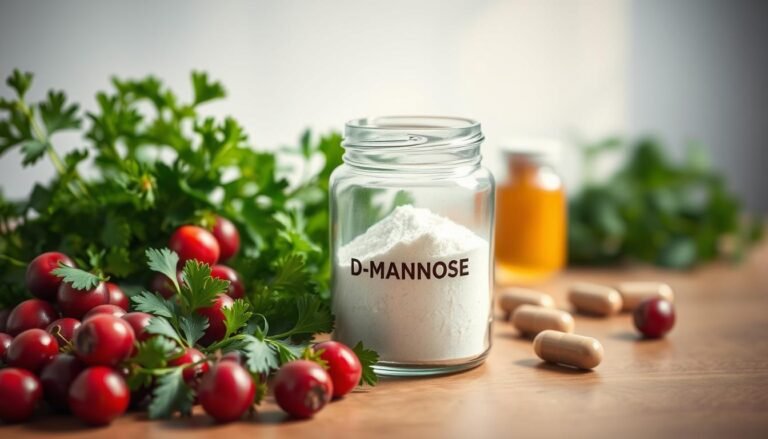
D-mannose is a top choice for UTI prevention. It’s a sugar found in cranberries and other fruits. It prevents E. coli bacteria from sticking to your bladder walls.
D-mannose works by binding to bacteria instead of your urinary tract cells. This helps flush out bacteria when you urinate. You can find D-mannose as a powder or capsule in most grocery stores and pharmacies.
Garlic extract has been valued for centuries for its antimicrobial properties. The active compound allicin fights UTI-causing bacteria. You can eat garlic, take supplements, or find it in urinary health formulas.
Other herbs are also good for urinary tract health:
Many women find relief with herbal teas for urinary support. These teas often include herbs like parsley and dandelion. Drinking them provides herbal support and hydration.
While herbal remedies are beneficial, they’re not safe for everyone. Taking a thoughtful approach ensures you get benefits without side effects.
Always consult your healthcare provider before starting any herbal remedy. This is crucial if you’re taking medications or have health conditions. Your doctor can help avoid interactions and complications.
Here are dosing guidelines for common herbal remedies:
Be cautious with uva ursi. Long-term use can harm your liver. It should not be taken during pregnancy. If you notice unusual symptoms after starting an herbal supplement, stop using it and contact your healthcare provider.
Remember, herbal remedies are best as prevention tools or for mild symptoms. If you have severe UTI symptoms, seek medical attention. Natural remedies can’t treat serious infections.
Be aware of potential interactions. Herbs with diuretic effects might interact with blood pressure medications. Garlic can affect blood clotting, so inform your doctor if you’re taking blood thinners.
Think of herbal remedies as part of your prevention strategy. They work best with hydration, good hygiene, and other prevention methods. By using these remedies wisely and safely, you support your body’s urinary tract health.
Preventing UTIs is more than just quick fixes. It’s about building habits that support your urinary system every day. Natural remedies and smart lifestyle choices are key. But knowing when to see a doctor is also important. This balanced approach keeps you safe from infections and ensures you get the care you need.
The best prevention plan mixes daily habits with regular medical checks. Simple bathroom routines can greatly reduce bacteria. Knowing the warning signs helps you know when home remedies aren’t enough.
One simple way to prevent UTIs is to don’t hold your urine for too long. Women who wait more than four hours to urinate are at higher risk. When urine stays in your bladder, bacteria can multiply and attach to your bladder walls.
Modern life makes it hard to go to the bathroom often. You might be stuck in meetings, teaching, or in traffic. But, making regular urination a priority is crucial.
Holding urine is bad because it lets harmful bacteria grow. Not emptying your bladder often enough can weaken it over time. This can lead to a cycle where your bladder doesn’t empty fully, encouraging bacteria growth.
If you often get UTIs, talk to your doctor about regular screenings. Sometimes, problems like structural issues or kidney stones can cause infections. Regular health checkups help identify these hidden factors before they cause repeated problems.
For postmenopausal women, regular gynecological visits are crucial. Hormonal changes and vaginal atrophy can increase UTI risk. Your doctor can recommend treatments like topical estrogen. Regular urinalysis tests can catch infections early or monitor your urinary health trends over time.
Natural remedies and smart lifestyle choices are great for prevention and mild symptoms. But, some situations need medical help. Knowing when to see a doctor for UTI symptoms can prevent serious complications. Never try to treat suspected kidney infections with home remedies alone—they require immediate professional attention.
Seek medical attention right away if you experience any of these warning signs:
Kidney infections (pyelonephritis) are serious. If left untreated, they can cause permanent kidney damage or even life-threatening sepsis. These aren’t situations where you should wait and see—they demand immediate professional care.
You should also seek care for recurring infections. If you’re getting more than two or three UTIs per year, it’s time to develop a more aggressive prevention plan with your doctor. This might include prophylactic antibiotics taken after sexual activity or in low daily doses. Your physician might also recommend further testing to identify anatomical issues or refer you to a urologist for specialized care.
Here’s what to expect at a doctor’s visit for UTI concerns:
If diagnosed with a UTI, support your treatment by drinking more water and going to the bathroom every two to three hours. Take the full course of prescribed antibiotics, even after your symptoms improve. Stopping early leaves some bacteria alive, which can lead to antibiotic resistance and recurring infections down the road.
Seeking medical care when appropriate isn’t a failure of natural prevention—it’s a smart part of taking care of your health.
Working with your physician to create a comprehensive approach gives you the best of both worlds. You’ll use effective UTI prevention strategies daily while having professional support when you need it. This balanced approach protects your urinary tract health for the long term, reducing both the frequency and severity of infections you might experience.
UTI prevention often overlooks a key factor: the mind-body connection. You might wonder how stress affects bladder infections. The truth is, your mental state and physical health are closely linked.
Chronic stress weakens your immune system. It raises cortisol and other stress hormones. These hormones make it harder for your body to fight off infections, including UTIs.
A recent survey showed a link between stress and UTIs. Many reported more UTIs during the COVID-19 pandemic. This was likely due to increased stress, disrupted routines, and poor self-care.
Stress also changes your behaviors, raising UTI risk. You might drink less water or hold your urine. Poor hygiene and unhealthy eating become more common when stressed.
Managing stress doesn’t need a big change. Small, consistent actions can help a lot. Find stress-relief methods that fit your life and enjoy.
Mindfulness and breathing practices offer quick relief. Daily meditation can calm your nervous system. Try the 4-7-8 breathing technique for a quick stress fix.
Regular exercise is key for UTI prevention. It lowers stress hormones and boosts your immune system. You don’t need to do intense workouts; just a 30-minute walk or yoga can help.
Good sleep is crucial. Aim for seven to nine hours each night. It helps manage stress and keeps your immune system strong. Lack of sleep increases stress hormones and infection risk.
Here are more ways to reduce stress:
Good time management is key to reducing stress. Prioritize your health and self-care. This way, you’re less likely to skip habits that protect you from UTIs.
Understanding the mind-body connection shows that mental health is crucial. It affects your immune system, hormonal balance, and inflammation levels.
Psychoneuroimmunology studies how psychological factors impact your immune system. It confirms the real and measurable link between your thoughts, emotions, and physical health. This isn’t just “new age” thinking; it’s backed by science.
Feeling emotionally balanced and less stressed helps you take better care of yourself. You’re more likely to drink enough water, maintain hygiene, eat well, and exercise. You also listen to your body’s signals, like the urge to urinate.
Your stress response affects your body in these specific ways:
The most effective holistic methods for UTI prevention treat you as a whole person. Addressing your mental and emotional wellbeing alongside physical health habits is the best way to stay infection-free.
Think of stress management as another layer of protection in your UTI prevention strategy. Just as you drink water and practice good hygiene, managing your stress strengthens your body’s defenses. Each positive choice for your mental health benefits your physical health too.
Reducing stress doesn’t mean avoiding challenges. It means finding healthy ways to handle them. By adding a few stress-management techniques to your routine, you’re investing in your health. Your mind and body will thank you for the care you’re showing yourself.
You now have the knowledge and tools to protect your urinary health. Creating a natural UTI prevention plan starts with small, consistent changes that fit your daily routine.
Start with hydration. Drinking enough water each day can reduce your infection risk by nearly 50%. Aim for at least eight glasses daily.
Focus on hygiene practices that matter. Always wipe front to back. Choose cotton underwear. Urinate every four hours and always after sexual activity.
Add probiotics to your diet through yogurt, kefir, or supplements. These friendly bacteria support your body’s natural defenses.
Make smart food choices. Eat vitamin C-rich fruits and vegetables. Consider cranberry supplements if pure juice isn’t appealing. Limit caffeine and alcohol if you’re prone to infections.
Implementing UTI prevention strategies doesn’t mean perfection. Pick the methods that work best for your lifestyle. Even a few changes can make a real difference.
If you experience frequent infections, work with your doctor to create a stronger prevention approach. Early treatment is critical when symptoms appear.
Learning how to prevent UTIs naturally gives you control over your health. Share these strategies with women in your life who might benefit. You deserve to live without the constant worry of urinary tract infections.
You’ve just deepened your knowledge about How to Prevent UTIs Naturally. Now that you understand the importance of proactive care, the next step is finding the right supplement. For a complete and unbiased analysis of the market’s most discussed product, Click here to read our Full AZO Cranberry Pro Review: Ingredients, Price, and Where to Buy the Official Supplement and find out if it is the right choice for your urinary health.
AZO Cranberry Pro provides daily protection for your urinary tract! With 600mg of Pacran (concentrated whole fruit cranberry), each softgel equals 1 glass of cranberry juice, but sugar-free and calorie-free. Helps cleanse and protect the urinary tract naturally. 100 softgels (50-day supply). Easy to swallow and gluten-free!
Yes, drinking plenty of water is a great way to prevent UTIs. It helps dilute bacteria in your urinary tract. Frequent urination also helps flush out bacteria. Studies show women who drink more water get fewer UTIs. Aim for eight 8-ounce glasses a day. Check your urine color to see if you’re drinking enough.
Cranberry products are better for preventing UTIs than treating them. They contain compounds that stop bacteria from sticking to your bladder walls. This makes it easier to flush out bacteria when you urinate. However, if you already have a UTI, cranberry juice alone won’t do the trick. You’ll need antibiotics. Taking cranberry products regularly can help prevent UTIs before they start.
UTIs after sex are common. The physical act of sex can push bacteria into your urethra. This can lead to an infection. To prevent UTIs after sex, urinate within 30 minutes. Also, stay hydrated and shower before sex. Using water-based or silicone-based lubricants can help reduce irritation.
Lactobacillus strains, like L. rhamnosus and L. reuteri, are best for urinary health. They help crowd out harmful bacteria and support your immune system. Look for supplements with at least 1 billion CFUs. You can also get probiotics from foods like yogurt and sauerkraut. This is important after taking antibiotics to rebuild good bacteria.
If you have severe symptoms like fever or blood in your urine, see a doctor. Mild symptoms might be treated with home remedies. However, if symptoms don’t improve or worsen, you need medical help. Frequent UTIs also require a doctor’s attention for a prevention plan.
Yes, wiping from front to back is crucial for UTI prevention. It helps prevent bacteria from reaching your urethra. Always use gentle, unscented toilet paper and avoid wiping twice with the same tissue. This simple habit can greatly reduce UTI risk.
Stress doesn’t directly cause UTIs, but it can make you more susceptible. Chronic stress weakens your immune system, making it harder to fight off infections. Stress can also lead to behaviors that increase UTI risk. Managing stress through mindfulness and exercise can help strengthen your immune system.
Natural remedies like D-mannose and garlic show promise for UTI prevention. D-mannose prevents bacteria from sticking to your bladder walls. However, always consult your doctor before starting herbal remedies, as they can interact with medications. Natural remedies work best for prevention and mild symptoms.
Eat foods rich in vitamin C like strawberries and kiwi. Vitamin C strengthens your immune system and may help prevent UTIs. Blueberries, garlic, and fermented foods like yogurt also support urinary health. Avoid foods that can irritate your bladder, like caffeine and spicy foods.
Aim to urinate every four hours. Holding your urine for too long increases your risk of UTIs. Try to urinate within 30 minutes after sex to flush out bacteria. Regular urination is a key part of UTI prevention.
Showers are better than baths for UTI prevention. Baths can introduce bacteria into your urethra, increasing UTI risk. If you must take baths, keep them short and avoid scented products. Always rinse off with clean water afterward and urinate immediately.
Yes, wearing the right underwear is important for UTI prevention. Choose breathable cotton underwear to keep your genital area dry. Avoid tight underwear and synthetic fabrics that trap moisture. Wearing cotton underwear overnight and changing wet clothes promptly can help prevent UTIs.
Frequent UTIs might indicate an underlying issue. They could be a sign of structural problems or decreased estrogen levels. Work with your doctor to find the cause and develop a prevention plan. This might include antibiotics or other treatments.
Yes, you can prevent UTIs with natural methods like staying hydrated and using probiotics. These strategies can significantly reduce your risk. However, if you do get a UTI, antibiotics might be needed. Combining natural prevention with medical treatment is the best approach.